.png)
North Carolina Real Estate Made Simple


First-Time Buyer Tips in NC
Buying your very first home in North Carolina can feel like a huge adventure, filled with excitement, nervousness, and plenty of paperwork. You’ve probably imagined the day you finally hold the keys in your hand, but the journey to get there can be a little overwhelming. Don’t worry—you’re not alone, and with the right mindset and a few clever tips, you’ll be stepping into your dream home sooner than you think.
Start with a Clear Budget
Before you fall in love with that cute bungalow in Raleigh or the modern condo in Charlotte, you need to know exactly how much you can afford. A clear budget saves you from heartbreak and wasted weekends chasing homes that don’t fit your financial reality. Think beyond the purchase price because you’ll also face property taxes, insurance, maintenance costs, and even unexpected repairs. It’s easy to underestimate how quickly small expenses can add up, and that’s why making a budget now will protect you later.
You’ll also want to get pre-approved for a mortgage before browsing homes online. Pre-approval doesn’t just show sellers you’re serious, it also gives you peace of mind by showing how much financing you’ll likely qualify for. Many first-time buyers skip this step and end up disappointed when they find out their dream house is out of reach. By preparing your finances first, you set yourself up to make confident decisions in the fast-moving world of Real Estate.
Explore Different North Carolina Neighborhoods
One of the best things about buying a home in North Carolina is the incredible variety of neighborhoods available. You can choose the bustling energy of Charlotte, the artsy vibes of Asheville, or the coastal charm of Wilmington. Each community has its own personality, and the right one for you depends on your lifestyle.
Take the time to drive around different areas on weekends, explore local coffee shops, and even chat with potential neighbors. Online research is helpful, but nothing beats walking the streets and feeling the atmosphere of a neighborhood. Does the area have parks you’ll actually use? Are the schools strong enough to support property value growth? Do you like the energy when you visit? These are questions only you can answer, and they’ll make your decision much more personal.
You don’t want to simply buy a house—you want to find a community where you’ll feel at home. Real Estate isn’t just about walls and roofs, it’s also about creating a lifestyle you’ll enjoy every day.
Don’t Skip the Home Inspection
When you’re finally ready to make an offer, it’s tempting to rush through the process because you just want the home to be yours. However, skipping or downplaying the home inspection could turn your dream into an expensive nightmare. North Carolina homes often come with quirks, whether it’s older plumbing in charming historic houses or roofing issues in newer builds.
A home inspection is your safety net because it reveals problems before you commit. The inspector will check the foundation, electrical systems, plumbing, roof, and much more. While some issues may look small, they could turn into major repairs later. You’ll thank yourself for having a professional give the place a thorough check before signing on the dotted line.
If problems are found, don’t panic. You can use the inspection results as leverage in negotiations with the seller. Sometimes the seller may agree to fix the issues or lower the price, giving you better value without extra stress. That’s the beauty of approaching Real Estate with a careful mindset—you make smarter decisions that protect both your wallet and your future happiness.
Keep a Positive Mindset Along the Way
Buying your first home can feel like an emotional rollercoaster, with moments of joy, confusion, and even frustration when offers don’t go as planned. The important thing to remember is that patience and positivity will take you far. Many buyers in North Carolina face competition, especially in popular areas, and losing out on one house doesn’t mean you won’t find another that’s even better.
Stay open-minded, ask plenty of questions, and lean on professionals who know the Real Estate landscape in your chosen area. Every showing, every tour, and every conversation teaches you something new, bringing you one step closer to your perfect home. Think of the process not as a stressful challenge but as a learning journey where you gain skills and insights that will help you in every future move.
Above all, remind yourself that buying your first home is more than just a financial transaction—it’s a personal milestone. You’re not only investing in a property, but also creating a space where your life will unfold. That mindset makes every challenge easier to handle and every success even sweeter.

Hidden Costs Most Sellers Forget
When you think about selling your home in North Carolina, you probably imagine big profits, quick offers, and happy buyers celebrating. What most people don’t imagine are the hidden costs that sneak up during the process, turning that profit into something smaller than expected. Don’t worry, though—you’re about to learn the biggest expenses sellers often forget, so you’ll be prepared and stress-free.
The Price of Getting Your Home Ready
Before buyers even walk through your door, you’ll likely need to spend money on making your home look inviting. Small repairs and updates may not sound expensive, but they can add up quickly. A fresh coat of paint, minor landscaping, and fixing leaky faucets are simple things that make a big difference.
You may also consider professional staging, which involves renting furniture or hiring someone to arrange your space so it looks appealing in photos. Buyers shop with their eyes first, and a staged home often sells faster and for more money. The flip side is that staging can cost anywhere from a few hundred to a few thousand dollars, depending on the size of your house.
Think of it as an investment rather than an expense. By presenting your home in its best light, you increase your chances of standing out in today’s competitive Real Estate market.
Closing Costs That Surprise Sellers
It’s easy to assume buyers cover most of the closing costs, but sellers in North Carolina also have financial responsibilities at the closing table. These costs can include transfer taxes, recording fees, and attorney fees, depending on your location. Even though each expense may seem small individually, they add up and reduce your final profit.
One of the biggest hidden costs is the commission you’ll pay to Real Estate agents. In most cases, sellers cover both the buyer’s agent and their own agent, which can be around 5–6% of the sale price. That means if you sell your home for $300,000, you could be paying $15,000 to $18,000 just in commissions.
Closing costs can feel like a surprise if you haven’t factored them into your plans, so it’s smart to talk with your agent early. By knowing what’s ahead, you’ll avoid sticker shock and feel more comfortable when it’s time to sign the paperwork.
Carrying Costs While You Wait to Sell
Here’s a cost many sellers don’t think about: the money you continue to spend while your home sits on the market. Mortgage payments, property taxes, utilities, and homeowners association fees don’t magically disappear the moment you list your property. The longer your home takes to sell, the more you’ll spend keeping it.
For example, if your house takes three extra months to sell, that’s three more mortgage payments you’ll make before you see a profit. If you’ve already moved into a new home, you might even be covering two sets of expenses at once. That’s not only stressful, but it also eats into the excitement of moving forward with your life.
To limit these carrying costs, work with your Real Estate agent on strategies to price your home competitively and market it effectively. A smart plan can reduce time on the market and protect your wallet from unnecessary extra payments.
Repairs After the Inspection
Even if you’ve already invested in sprucing up your house, the buyer’s home inspection can reveal problems that need fixing. Issues like a worn roof, old wiring, or plumbing leaks might require you to make repairs or offer credits at closing. Many sellers underestimate how much these repairs can cost, especially if the buyer insists on professional work instead of quick DIY fixes.
The good news is you don’t have to panic when the inspection report arrives. Think of it as another negotiation step in the Real Estate process. You may be able to split the cost, agree on partial repairs, or adjust the final sale price to make everyone happy. By keeping a flexible mindset, you can handle inspection surprises without letting them ruin your plans.
Keeping Perspective Through the Process
Yes, the hidden costs of selling a home in North Carolina can feel a little intimidating at first glance. But the truth is, with the right preparation, none of them have to be deal-breakers. The key is knowing what to expect before you even list your home, so you’re ready when the bills come due.
Selling your home isn’t just about getting the highest offer—it’s also about managing the financial details along the way. With the right mindset, you’ll avoid surprises, keep your stress low, and walk away from the closing table with confidence. Remember, every expense you plan for now is one less shock waiting later.
Neighborhood Trends Shaping 2025–2026
When you start thinking about where to buy or sell a home in North Carolina, it’s not just about the house. The neighborhood around it plays a huge role in both your lifestyle and your future property value. That’s why paying attention to neighborhood trends is one of the smartest moves you can make in today’s real estate market. The good news is that North Carolina is filled with exciting changes, and the years 2025–2026 are set to bring even more interesting shifts.
Walkable and Bike-Friendly Communities are Growing
If you’ve ever wished you could grab coffee without starting your car, you’ll love where neighborhoods are headed. More North Carolina towns and cities are prioritizing walkability, bike lanes, and local shops within easy reach of homes. You can expect to see sidewalks lined with small businesses, outdoor dining, and safe biking paths that make daily life more convenient.
This trend isn’t just good for your health and social life—it’s also great for real estate value. Buyers are increasingly drawn to communities where they can walk to grocery stores, parks, and even their favorite breweries. In fact, homes in walkable areas often sell faster and for higher prices than those in car-dependent neighborhoods.
So, if you’re on the hunt for a new home, pay close attention to whether a neighborhood is investing in pedestrian-friendly infrastructure. You’ll thank yourself every time you skip traffic and stroll to your favorite café instead.
Eco-Friendly Living is More Than Just Solar Panels
Another big trend shaping neighborhoods is the rise of eco-friendly living. But don’t worry, it’s not just about rooftop solar panels anymore. Communities are incorporating green spaces, community gardens, energy-efficient streetlights, and even rainwater collection systems to make neighborhoods more sustainable.
Buyers love knowing they’re moving into areas that value the environment, and sellers benefit from higher demand in these eco-focused neighborhoods. Real estate experts are already noting that eco-friendly communities attract younger buyers, especially those who work remotely and want to live somewhere progressive and forward-thinking.
For you, this means paying attention to whether a neighborhood is talking about sustainability at all. A few extra trees or an organized recycling program might not seem like a big deal now, but in the next couple of years, it could make the difference between a neighborhood that grows in value and one that falls behind.
Tech-Enabled Neighborhoods Are the Future
Smart homes have been the talk of the real estate world for years, but now entire neighborhoods are becoming smarter. In 2025–2026, you’ll start seeing communities that come with high-speed internet infrastructure, neighborhood apps for communication, and even shared charging stations for electric cars.
Imagine getting updates about community events, safety alerts, or lost pets through a neighborhood app instead of a paper flyer. Or picture pulling into your driveway and charging your electric vehicle at a shared station down the block. These conveniences may sound futuristic, but they’re quickly becoming reality in North Carolina’s growing urban and suburban areas.
For buyers, that means neighborhoods with built-in tech perks are worth keeping an eye on. For sellers, highlighting these modern features will make your listing stand out in an increasingly digital real estate market.
Cultural and Lifestyle Hubs Are Expanding
North Carolina is known for its charm, but it’s also becoming known for its diversity of cultural and lifestyle-driven communities. Expect to see neighborhoods centered around arts districts, food scenes, and music venues continue to thrive in 2025–2026. These areas draw in people who want more than just a house—they want experiences right outside their front door.
From craft breweries in Asheville to international food markets in Durham, cultural hubs are becoming magnets for younger buyers and long-term investors. Real estate professionals agree that these lifestyle-rich neighborhoods not only grow in popularity but also in long-term value.
When you’re exploring where to buy, think about whether the community feels alive and vibrant. Does it offer you more than just a place to sleep? If the answer is yes, you’ve likely found a neighborhood that will only keep growing stronger over the next few years.
Wrapping It All Up
The neighborhoods of North Carolina are changing quickly, and the trends shaping 2025–2026 will impact how and where people want to live. From walkable streets and eco-friendly initiatives to tech-enabled communities and cultural hubs, the future looks exciting.
For you as a buyer, that means keeping an eye on these changes can help you find not just a home, but a lifestyle that fits your vision. For you as a seller, it means showcasing the hidden gems of your neighborhood so buyers see its long-term potential.
At the end of the day, real estate isn’t just about square footage or curb appeal—it’s also about the neighborhood that surrounds you. And with the right mindset, you can make the most of these trends, whether you’re buying your first home or selling your forever one.
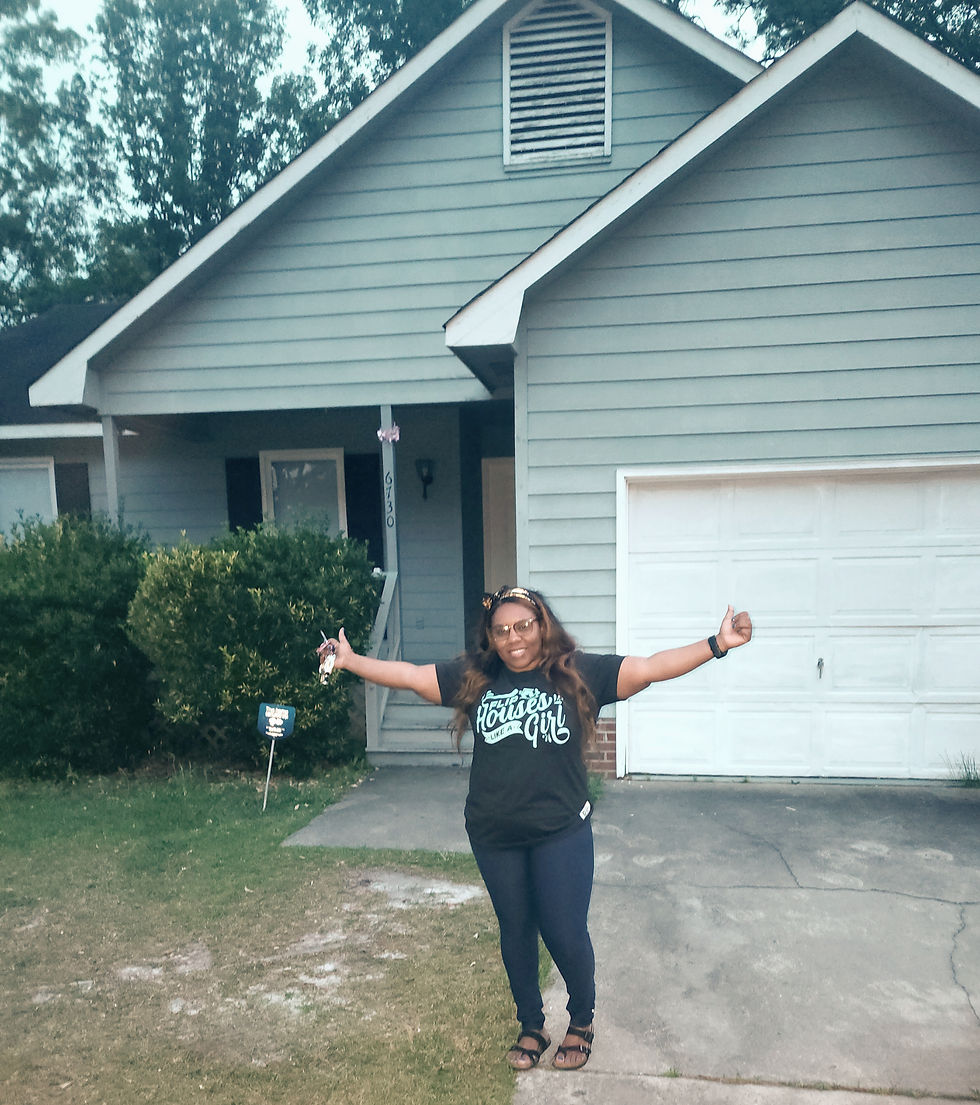
Mindset Shifts for Confident Deals
When you think about buying or selling a home, you probably imagine negotiations, contracts, and maybe even a little stress. What you might not realize is how much your mindset shapes the entire process. In real estate, numbers and paperwork matter, but your confidence, patience, and perspective matter just as much. With a few simple shifts in how you think, you’ll handle deals more smoothly and walk away feeling like a pro.
Focus on Value, Not Just Price
One of the biggest mindset changes you can make is to think about value instead of just chasing numbers. As a buyer, it’s easy to obsess over getting the lowest price possible, but sometimes the cheapest option comes with hidden costs like outdated systems or costly repairs. As a seller, it’s tempting to demand the highest price imaginable, but overpricing can keep your home sitting on the market for months.
When you start thinking about long-term value instead, you’ll see deals more clearly. Ask yourself what makes the home worth it—location, upgrades, community growth, or future potential. Real estate isn’t only about dollars today; it’s about creating security, comfort, and opportunity tomorrow. By shifting your perspective, you’ll feel less stressed during negotiations because you’ll know you’re working toward lasting value, not just quick numbers.
Embrace Patience Over Panic
Buying or selling a home can test anyone’s nerves, especially when deals take longer than expected. Maybe you lose out on a property you love or watch buyers hesitate before committing. Instead of panicking, shift your mindset to patience. Deals fall through sometimes, but that doesn’t mean better opportunities aren’t waiting just around the corner.
You’ll find that when you slow down and stay patient, you make better decisions. Sellers who rush often accept lowball offers just to get things over with, while buyers who panic sometimes overpay because they’re afraid of missing out. In real estate, the right deal is rarely about speed—it’s about timing. By focusing on patience, you’ll build confidence and avoid choices that cause regret later.
Think Win-Win, Not Win-Lose
Negotiations can feel like a battle, but confident deals happen when you stop seeing the other party as the enemy. Instead of aiming to “win” while they “lose,” focus on creating a win-win situation where everyone feels satisfied. Sellers want fair value, buyers want a good home, and both sides want the process to be smooth.
This mindset shift can change the entire tone of conversations. You’ll find that when you listen to the other person’s concerns, they’re more likely to respect yours. For example, if you’re a seller and the buyer wants repairs, maybe you compromise with a repair credit instead of refusing outright. If you’re a buyer, maybe you accept the seller’s timeline in exchange for a small price adjustment. These small acts of cooperation often lead to faster, friendlier deals in real estate, leaving everyone more confident.
Detach from Emotion, Stay Grounded
Your home carries memories, dreams, and emotions, but when it comes to making confident deals, you need to balance feelings with facts. Sellers often overvalue their homes because they see personal history instead of market reality. Buyers sometimes fall in love too quickly and ignore red flags. By shifting your mindset to a more grounded approach, you’ll make decisions based on logic and research rather than impulse.
That doesn’t mean ignoring your emotions completely. It just means reminding yourself that real estate is both personal and financial. You can still celebrate the memories tied to your home while also accepting a fair market price. Likewise, you can be excited about a new place while also asking tough questions about inspections and financing. Confidence grows when your emotions support your decisions instead of clouding them.
Celebrate Progress, Not Perfection
Finally, remind yourself that no deal is perfect. There will always be little bumps along the way—repairs that cost more than expected, timelines that shift, or negotiations that stretch longer than you’d like. Instead of demanding perfection, celebrate progress. Every step forward, whether it’s scheduling an inspection or getting pre-approval, brings you closer to your goal.
By shifting your mindset to focus on progress, you’ll keep your energy positive and your stress low. Confidence comes naturally when you see each step as a win instead of obsessing over final outcomes. Real estate is a journey, and like any journey, the people who enjoy the ride are often the ones who finish strongest.

Comments